
We are here to help you plan the perfect sailing trip
Portugal
SAILING MUSIC & ADVENTURE
Azores
When you look through the airplane window and catch your first glimpse of the Azores, it leaves you speechless. No wonder this Portuguese archipelago is labelled as „The Hawaii of Europe” and the „Islands of Colours”.
Set in the middle of the Atlantic, halfway between the United States and continental Portugal, the nine major Azores islands – São Miguel, Santa Maria, Terceira, Graciosa, São Jorge, Pico, Faial, Flores and Corvo – are a love affair waiting to happen.
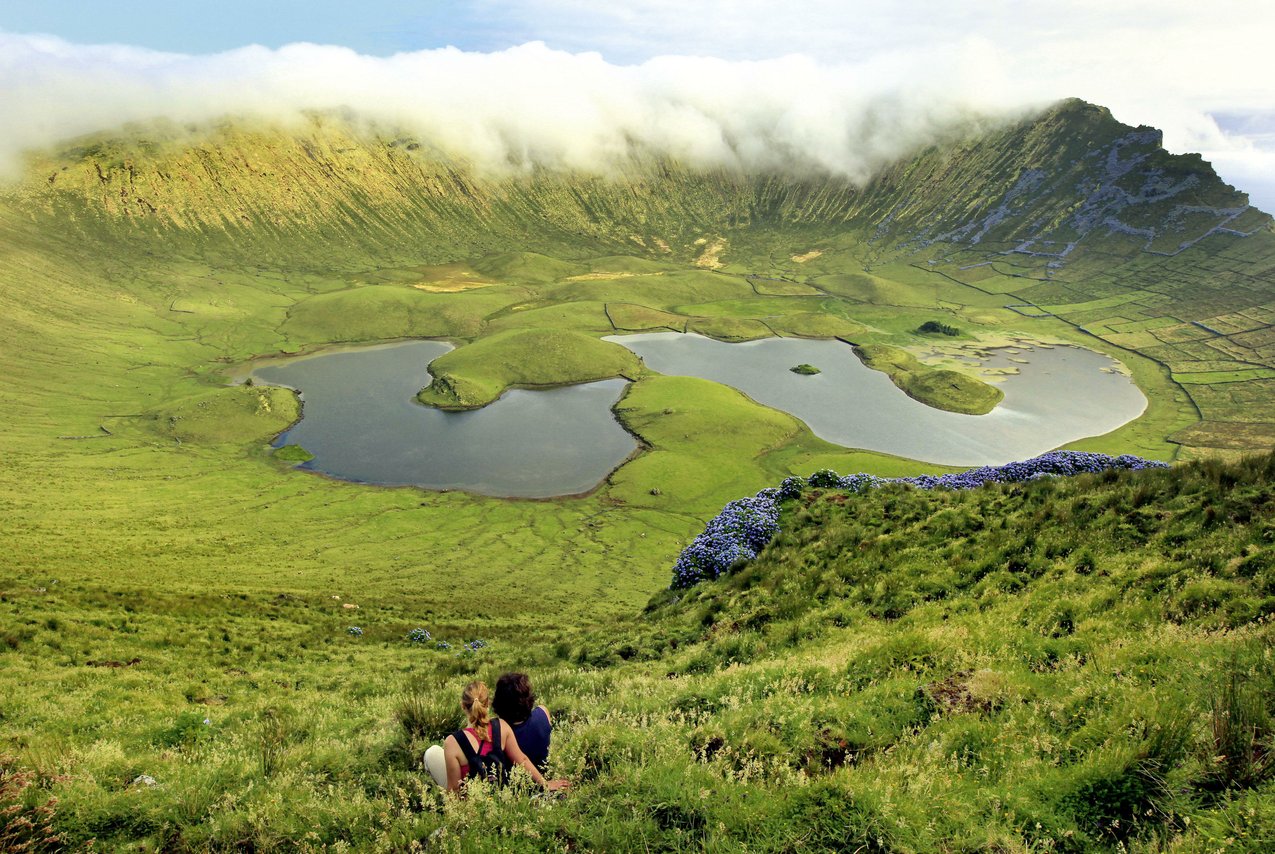
From the green fields spotted with free-roaming local cattle (locally referred to as „happy cows”) to the lagoons set on the mouth of extinct volcanoes; the thermal pools where you can bathe and feel the warmth coming from deep within the earth, and the delicious freshness of the culinary ingredients, this is a must-do vacation that will keep you coming back year after year.
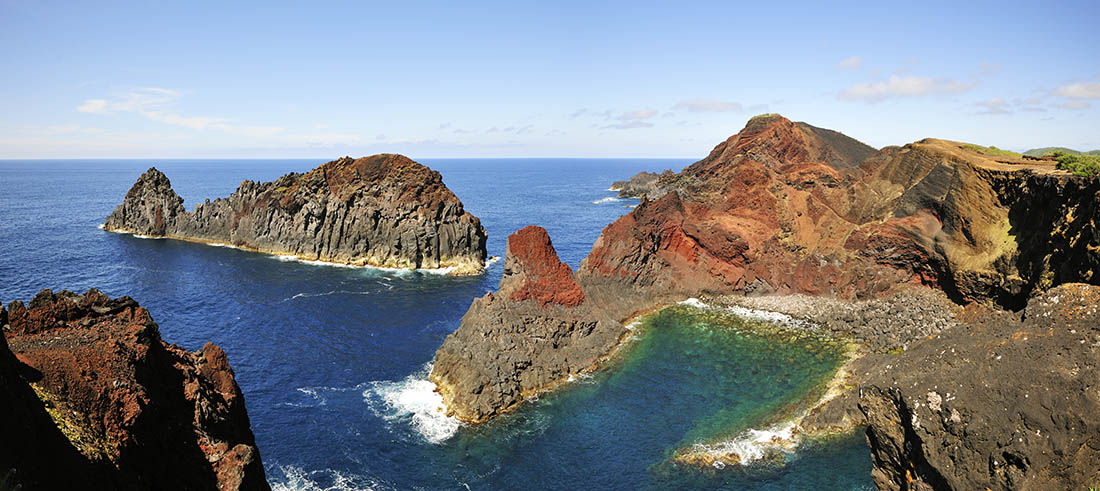
This remote archipelago simply abounds with adventures; it is, in fact, the Hawaii of the mid-Atlantic. It has world-class whale watching, sailing, diving, hiking and canyoning; excellent surfing and other watersports. Then there is the landscape itself: a wonderland of seething mud pots, fantastical caverns, and vivid crater lakes that speak of a volcanic origin.
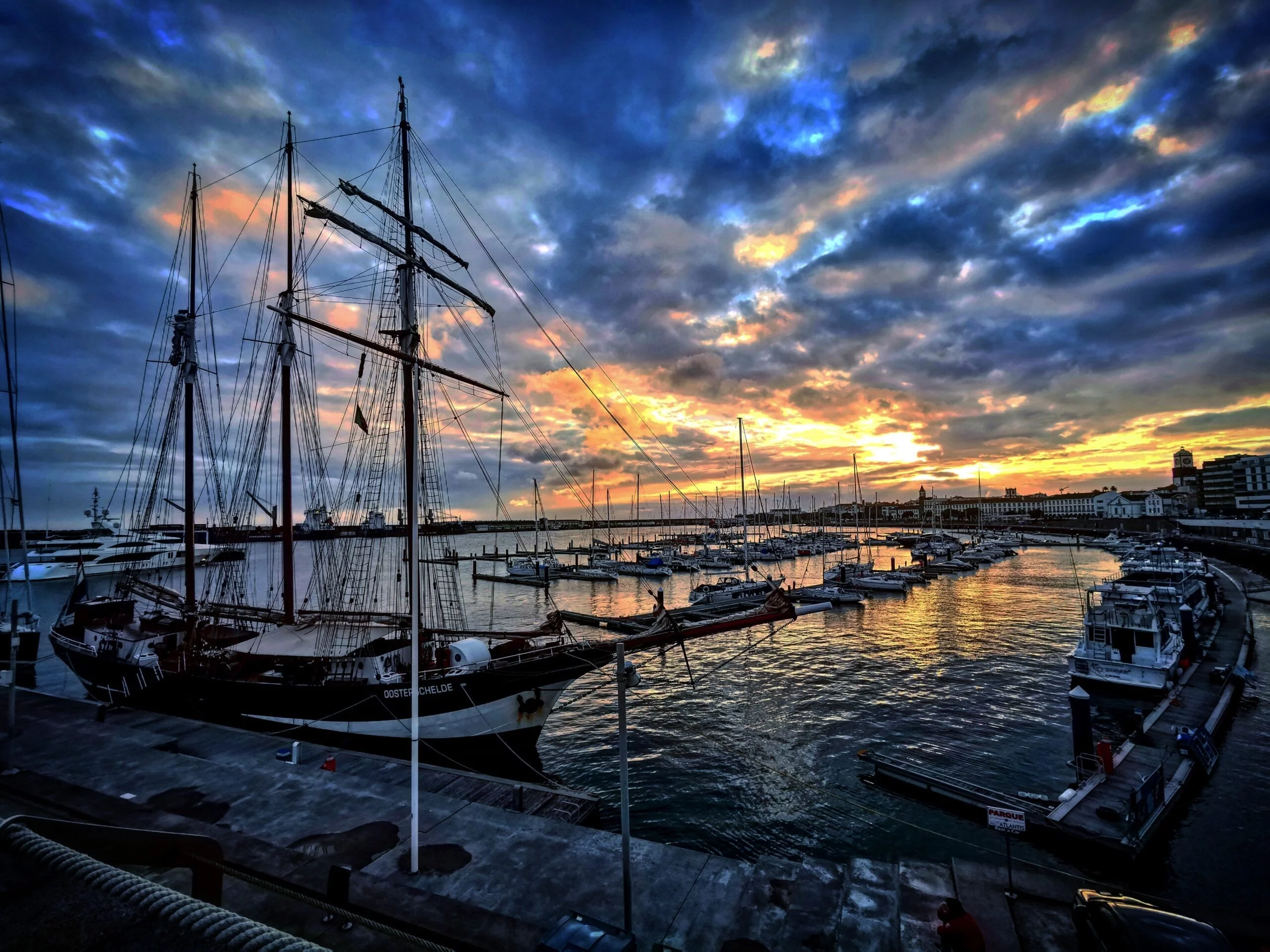
With the biggest marina, a haul-out facility, marine chandleries, incredible shopping, sightseeing, and a beautiful old town, Sao Miguel ticks all the boxes. Located in the south-eastern quadrant of the archipelago, this island is the largest and is home to half the population of the Azores.
Terceira makes up one of three central Azorean islands and is home to the UNESCO World Heritage-listed Angra Do Heroismo, an incredibly well-kept, quintessentially European town that could easily be considered the most charming in all of the Azores. With a mix of cobblestone streets, terracotta-roofed buildings, cafes and mountainous views set against the blue Atlantic Ocean, it is a place not to be missed.
Graciosa, its violent volcanic past is only too evident at Furna do Enxofre. A unique geological phenomenon, this enormous lava cave is an extraordinary sight: 200m in diameter with a 50m high vaulted ceiling made-up of volcanic prisms, it has its own underground sulphurous lake, and it’s only accessible via a vertigo-inducing 80-year-old stone spiral staircase (we counted 183 steps !). The Azores has more than its fair share of impressive geological phenomena, but Furna do Enxofre is one of favourites.
São Jorge’s long, slender shape is quite unlike any of the other islands of the Azores. 55km long and only 7km at its widest point. The island is famous for its fajas – coastal plateaus which are home to many of the island’s smaller villages. The fajas are formed by different processes – by ancient landslides in the north where the sea cliffs are steepest, creating the best natural swimming pools in the Azores. The cliffs on the south coast are less-steep and many of the southern fajas were formed by lava flows.
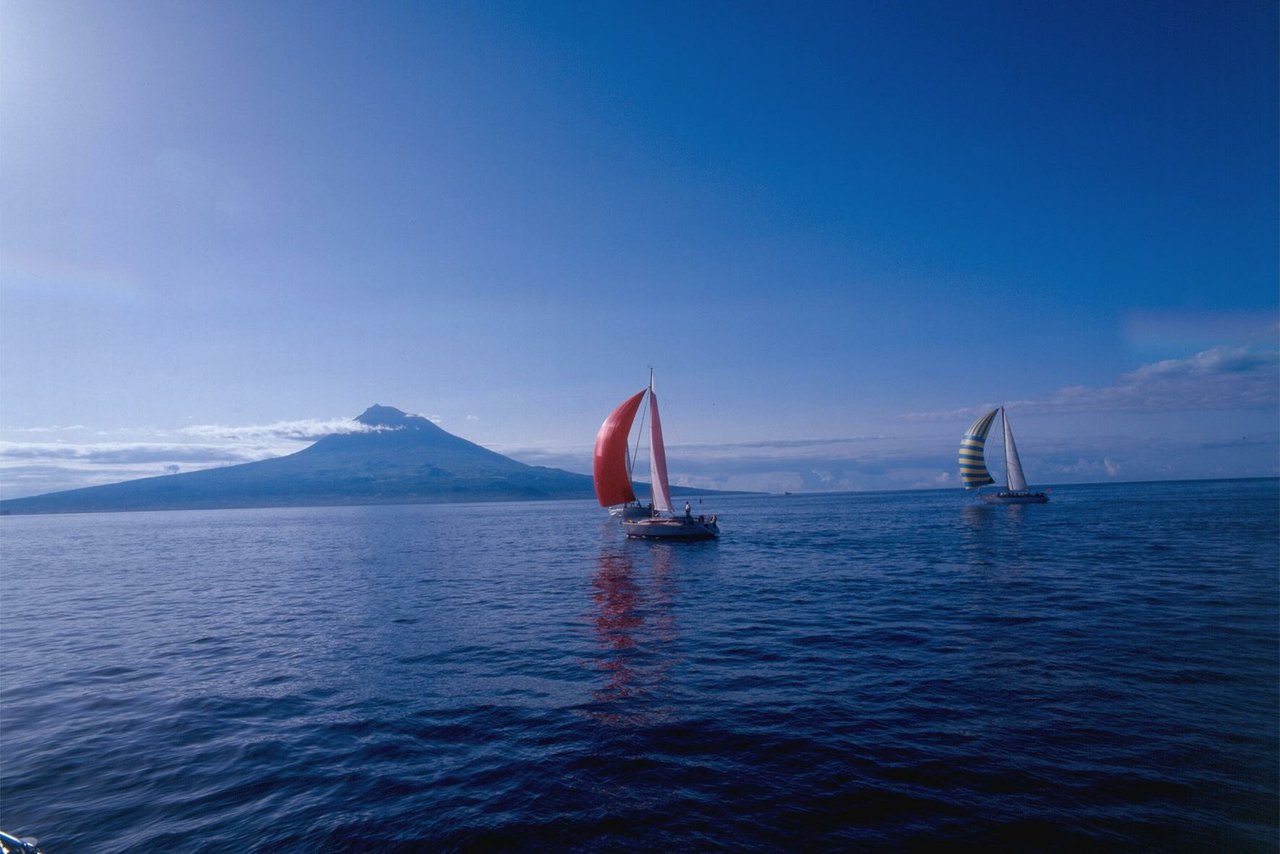
Pico Island is part of the central group of islands and it dominates the skyline with Portugal’s highest peak (2351 m), hence the name Pico! This island is the second largest of the Azores Archipelago and volcanically speaking is the youngest; which is why it has much richer, darker soil. However, nestled in between the volcanic rocks of the UNESCO registered World Heritage Site and making full use of the nutrients found in that soil, you will find the grape varieties of Arinto, Terrantez and Verdelho growing in abundance. That is why Pico is also known as the Wine Island and is a ‘must visit’ location for all budding sommeliers.
Faial (Horta Marina)
The Horta Marina is located on the island of Faial and is perhaps the most famous in all the Azores. Throughout the centuries, boats making their way across the Atlantic would find refuge in her sheltered waters after many days at sea. Stepping onto the dock, the first thing you notice are the murals that adorn almost every surface of the marina. There are literally thousands of hand-painted logos left by previous sailors who had made the long journey across the North Atlantic, only enriching the experience of stepping onto land after so long at sea.
Horta’s history as a whaling town becomes obvious in the photographs, carvings, and unforgettable scrimshaw that adorns the bar’s walls. The scrimshaw, which is intricately carved ivory whales teeth, are truly works of art of hauntingly beautiful pictures of tall ships, sunsets and waves, so delicately and painstakingly inscribed, bought, and sold in days of old as a way for the whalers to make money. Although the whaling industry is long gone, its impact on Faial is long-lasting and the local whaling museum gives a real insight into how these starving farmers could make a living.
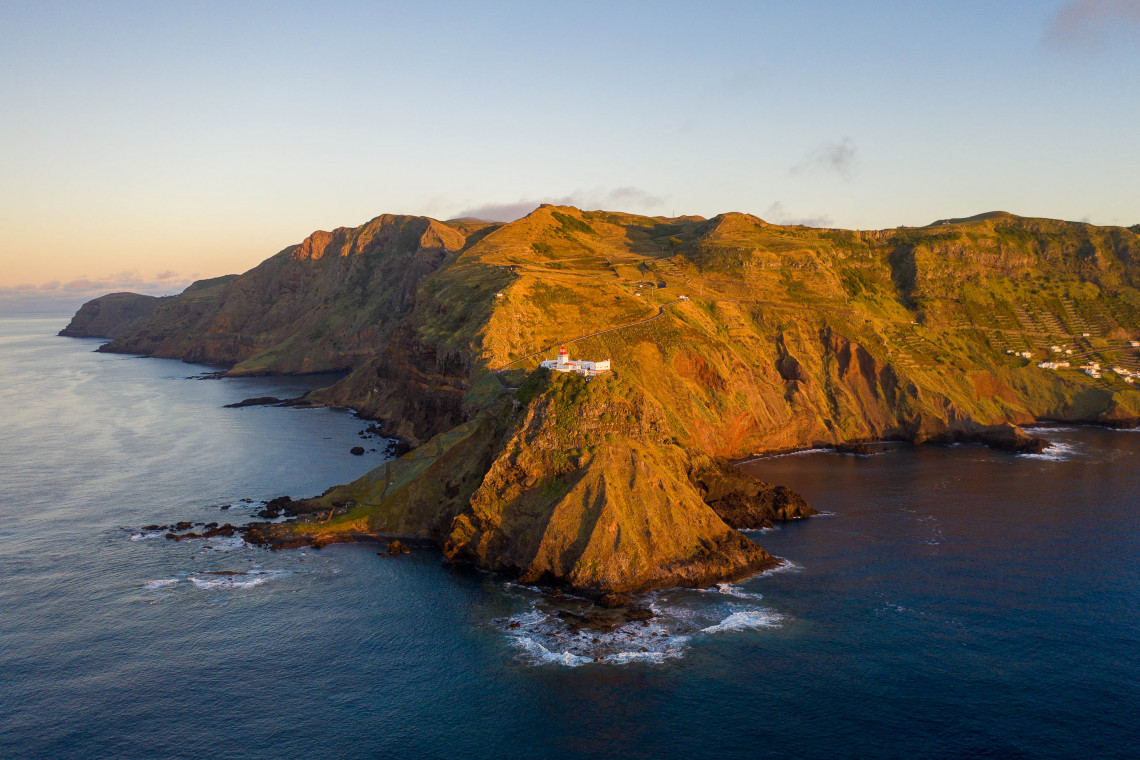
The island of Santa Maria is in the Eastern Group of the Azores archipelago, along with São Miguel, 80km away. The green fields, traditional culture, the chimneys of the whitewashed houses, the dark ochre of the earth, the golden beaches and the turquoise waters make Santa Maria different from the archipelago’s other islands. Because it is the most southerly and easterly island in the Azores, Santa Maria’s climate is warmer and drier, which contributes to greater aridity on the land and dry vegetation with a yellowish tint, and for this reason it is also known as the Sunshine Island.
Climb aboard, and join the crew. As a member of the crew, you’ll be expected to participate in daily activities necessary to keep everything shipshape. Getting to grips with the ropes and sheets, basic navigation skills and yacht maintenance, setting out the day’s aims according to the weather conditions and the schedule.
PASSAGE
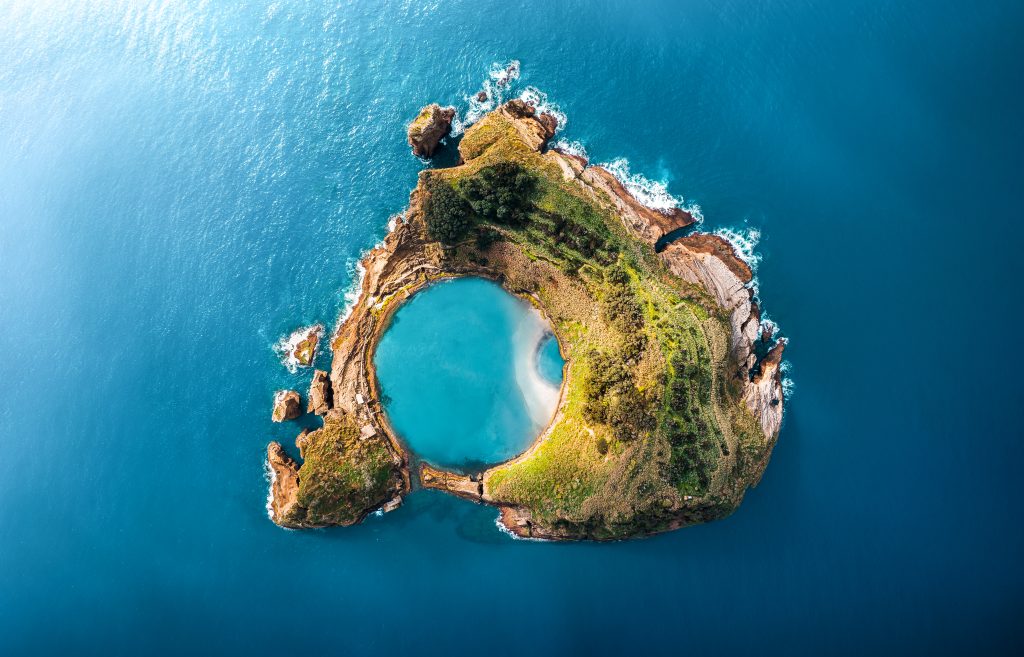
São Miguel- Terceira -Graciosa- São Jorge – Faial- Pico- Santa Maria – (Ilhéu de Vila Franca- Vila Franca Islet- The Idyllic Princess Ring)- São Miguel (EASY 300NM)
DATES
16 Sep – 22 Sep 2024
23 Sep – 29 Sep 2024
COSTS
£850 pp + EUR 250 contribution (food on board, fuel, marina fees, etc.)
PASSPORT AND VISAS
Please note, your passport should be valid for a minimum period of 6 months from the date of entry to Azores. For the most up-to-date passport and visa info, visit
We are here to help you plan the perfect sailing trip